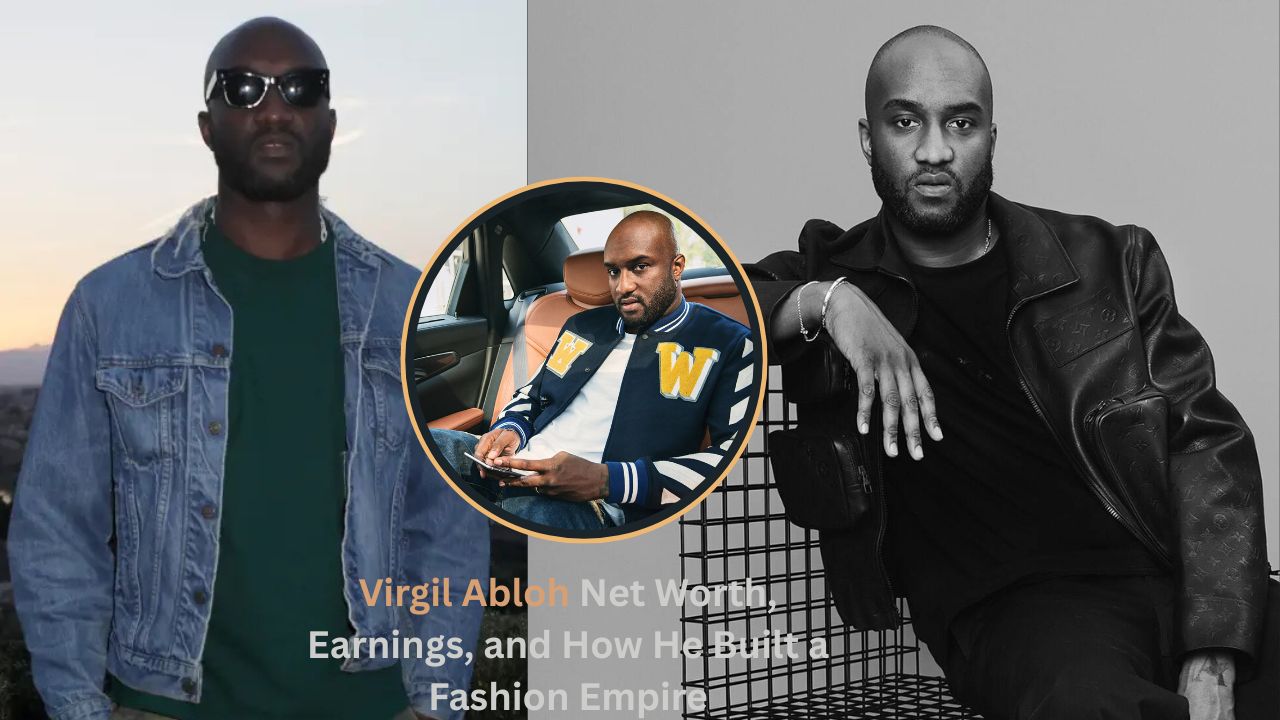
Virgil Abloh revolutionized the fashion industry with his groundbreaking vision. His journey from architecture student to fashion icon remains inspirational. The designer’s financial success matched his creative achievements. Understanding Virgil Abloh’s net worth reveals the business acumen behind his artistic genius.
Abloh built a fashion empire that transcended traditional boundaries. His work merged streetwear culture with luxury fashion houses. The designer’s influence extended across multiple industries and creative disciplines. His net worth reflected years of strategic collaborations and innovative business ventures.
Last Recorded Net Worth of Virgil Abloh – $100 Million
Virgil Abloh’s net worth reached $100 million at the time of his passing in November 2021. This figure represents the culmination of his groundbreaking work across fashion, art, and design. His estate value continues to hold significant worth through ongoing collaborations and brand partnerships.
The Virgil Abloh estate value includes his ownership stake in Off-White. LVMH’s 60% acquisition of Off-White in 2021 substantially increased his wealth. His intellectual property rights generate continued revenue through posthumous collections. The Virgil Abloh Securities company manages his creative legacy and ongoing projects.
His brand equity extends beyond monetary measurements. Off-White pieces maintain high resale values in secondary markets. Louis Vuitton collections bearing his designs remain highly sought after. The designer’s influence on fashion continues generating revenue for his estate.
Net Worth Evolution Over Time
Virgil Abloh’s financial journey demonstrates consistent upward growth. His net worth evolution reflects strategic career decisions and timing. Each milestone in his career corresponded with significant wealth increases. The designer’s business savvy matched his creative talents.
| Year | Net Worth | Career Milestone |
| 2009 | $100,000 | Fendi internship with Kanye West, RSVP Gallery co-founded |
| 2012 | $500,000 | Pyrex Vision streetwear brand launched |
| 2013 | $1.5 million | Off-White luxury streetwear label founded |
| 2015 | $5 million | Off-White gained international recognition, LVMH Prize finalist |
| 2017 | $15 million | Nike “The Ten” collaboration launched |
| 2018 | $30 million | Louis Vuitton artistic director appointed |
| 2019 | $50 million | IKEA collaboration, first solo art exhibition |
| 2020 | $70 million | Continued brand expansion, scholarship fund established |
| 2021 | $100 million | LVMH acquired 60% Off-White stake |
The early years showed modest but steady growth. His Virgil Abloh earnings increased exponentially after 2013. The Off-White brand value skyrocketed within just a few years. His appointment at Louis Vuitton doubled his net worth almost immediately.
Virgil Abloh’s salary Louis Vuitton contributed significantly to his wealth. Industry experts estimate his annual compensation reached seven figures. His Off-White brand generated over $100 million in yearly revenue at peak performance. The Nike collaboration earnings added millions to his portfolio.
Celebrity’s Diversified Investments
Virgil Abloh assets and investments extended beyond fashion. He built a sophisticated investment portfolio aligned with his creative vision. The designer supported emerging talent while growing his wealth strategically. His investment philosophy emphasized cultural impact alongside financial returns.
Key Investment Areas:
- Emerging fashion designers and streetwear brands
- Technology startups focused on creativity and innovation
- Contemporary art collections featuring rising artists
- Real estate properties in major fashion capitals
- Intellectual property and licensing agreements
Abloh invested money in ventures that pushed cultural boundaries. He backed tech companies revolutionizing creative industries. His art collection appreciated significantly over time. The designer’s forward-thinking approach identified trends early.
His Virgil Abloh business ventures net worth grew through strategic partnerships. He understood the value of brand equity and cultural capital. The designer’s investments reflected his commitment to supporting innovation. His portfolio balanced financial returns with cultural significance.
Major Assets
Virgil Abloh’s major assets included significant ownership stakes and partnerships. His Off-White brand represented his most valuable holding. The designer owned intellectual property rights across numerous creative works. His asset portfolio reflected both tangible and intangible value.
Primary Asset Holdings:
- Off-White ownership stake (40% after LVMH acquisition)
- Nike partnership agreements and royalty rights
- Contemporary art collection featuring emerging artists
- Intellectual property for signature design elements
- Louis Vuitton collaboration rights and residuals
- DJ equipment and music production assets
His Off-White acquisitions by LVMH valued the brand at hundreds of millions. The Nike collaboration earnings generated ongoing royalty payments. His signature quotation marks became valuable intellectual property. The designer’s aesthetic elements remained protected assets.
Virgil Abloh brand equity extended across multiple product categories. His name alone carried significant commercial value. The designer’s collaborations with major brands generated substantial returns. His asset portfolio grew consistently throughout his career.
Properties
Virgil Abloh owned strategic real estate in key fashion cities. His properties served dual purposes as homes and creative spaces. The designer maintained residences that supported his international career. His real estate holdings reflected his global influence.
The designer owned a home in Chicago maintaining connection to his roots. His Chicago property served as a creative sanctuary and family base. The residence featured design elements reflecting his aesthetic vision. This property kept him grounded in his hometown community.
Overall Career Earnings
Virgil Abloh income sources diversified across multiple industries. His total career earnings exceeded his final net worth figure. The designer generated substantial income through various channels. His earning potential continued growing until his untimely passing.
Revenue Streams:
- Louis Vuitton artistic director salary (seven figures annually)
- Off-White ownership and creative direction fees
- Nike collaboration royalties and design fees
- Brand partnerships with IKEA, Evian, Rimowa
- DJ performances at major venues and festivals
- Speaking engagements at universities and conferences
- Art exhibitions and gallery showings
- LVMH equity from Off-White acquisition
His Virgil Abloh salary Louis Vuitton reportedly reached millions annually. The Off-White brand value generated over $100 million yearly at peak. His Nike partnership proved among the most lucrative collaborations. The designer’s DJ appearances commanded premium fees globally.
Virgil Abloh collaboration Nike earnings alone contributed significantly to his wealth. His speaking engagements at prestigious institutions added to his income. The designer’s art exhibitions generated both sales and cultural capital. His posthumous earnings continue benefiting his estate.
The fashion mogul’s earning power reflected his cultural influence. His unrealized earnings potential remained enormous at his passing. The designer’s income streams demonstrated remarkable diversification. His financial success validated his creative vision.
Personal Life
Early Life
Virgil Abloh was born September 30, 1980, in Rockford, Illinois. His parents immigrated from Ghana seeking better opportunities. His mother worked as a seamstress teaching him design fundamentals. His father managed a paint company instilling strong work ethic.
Growing up in suburban Chicago exposed him to diverse cultures. His Ghanaian heritage influenced his later design philosophy. The designer attended Boylan Catholic High School graduating in 1998. His multicultural background shaped his inclusive creative vision.
Abloh pursued civil engineering at the University of Wisconsin-Madison. He earned his Bachelor of Science degree in 2002. During university, he began designing t-shirts and exploring fashion. His DJ hobby developed into a lifelong passion alongside design.
His early life experiences informed his democratic approach to fashion. The designer’s background bridged different cultural worlds. His upbringing instilled appreciation for craftsmanship and hard work. These formative years laid the foundation for his revolutionary career.
Career Beginnings
Virgil Abloh’s career began with an unexpected Fendi internship. In 2009, he and Kanye West interned in Rome together. This experience proved pivotal for his fashion career trajectory. The internship connected him with luxury fashion’s inner workings.
He co-founded RSVP Gallery in Chicago the same year. The retail space blended art gallery concepts with streetwear culture. This venture demonstrated his early vision for cross-disciplinary creativity. The gallery became a cultural hub for Chicago’s creative community.
Kanye West appointed him creative director of DONDA in 2010. Abloh oversaw album covers, merchandise, and stage designs. This role significantly raised his profile across music and fashion. His work with West provided invaluable industry connections.
In 2012, he launched Pyrex Vision as his first fashion brand. The concept transformed deadstock Ralph Lauren shirts into cultural artifacts. He purchased shirts for $40 and resold them for $550. This project demonstrated his ability to create value through vision.
His career beginnings showed unconventional path to fashion success. The designer skipped traditional fashion school training. His architecture background informed his structural design approach. These early ventures established his reputation as an innovator.
Philanthropy and Charity Work
Virgil Abloh’s philanthropic efforts focused on supporting underrepresented creatives. He believed in creating pathways for emerging talent from diverse backgrounds. His charitable work reflected his commitment to industry accessibility. The designer used his platform to effect meaningful change.
Major Philanthropic Initiatives:
- “Post-Modern” Scholarship Fund ($1 million personal contribution)
- Free Game mentorship series providing accessible industry knowledge
- Black Curriculum UK fundraising through special collaborations
- Beirut explosion relief through charitable design projects
- COVID-19 relief directing Off-White sales to healthcare organizations
- Guest lectures at Harvard and other prestigious universities
His scholarship fund supported Black fashion students at Parsons and FIT. The “Post-Modern” initiative provided financial assistance and mentorship. His commitment to education created opportunities for aspiring designers. The designer regularly shared industry knowledge freely online.
Abloh raised substantial funds for social justice causes. His collaborations generated donations for various charitable organizations. The designer contributed to disaster relief efforts internationally. His philanthropic work demonstrated values beyond commercial success.
His legacy includes creating pathways for emerging Black designers. The designer advocated tirelessly for greater fashion industry diversity. His mentorship influenced countless young creatives worldwide. His charitable impact continues through established programs.
Comparison with Industry Peers
Virgil Abloh stood apart from contemporary fashion designers significantly. His multidisciplinary approach spanned fashion, art, music, and architecture. Traditional designers like Karl Lagerfeld followed established fashion house paths. Abloh emerged from streetwear culture and hip-hop creative circles.
Key Differentiators:
- First Black artistic director at major French luxury house
- Streetwear-to-luxury career trajectory
- Transparent social media communication style
- Collaborative business model across industries
- Democratic pricing strategy bridging market segments
His designer net worth comparison shows unique positioning. Demna Gvasalia shared streetwear influences but different business approaches. Abloh’s transparent communication contrasted with traditional designer mystique. His pricing positioned Off-White between luxury and streetwear successfully.
Contemporary designers like Heron Preston and Matthew Williams followed his model. His influence reshaped how emerging designers approached brand building. The designer’s collaborative approach differed from solitary creative director traditions. His career path validated alternative routes to fashion success.
Frequently Asked Questions
What was Virgil Abloh’s net worth when he died?
Virgil Abloh’s net worth reached $100 million at the time of his death in November 2021.
How did Virgil Abloh make his money?
He earned through Louis Vuitton salary, Off-White ownership, Nike collaborations, brand partnerships, DJ performances, and speaking engagements.
What happened to Virgil Abloh’s Off-White brand?
LVMH acquired 60% of Off-White in 2021, with Abloh retaining 40% ownership until his passing.
What was Virgil Abloh’s salary at Louis Vuitton?
Industry experts estimate his annual Louis Vuitton salary reached seven figures, though exact amounts were never publicly disclosed.
How much was Off-White worth?
Off-White generated over $100 million in yearly revenue at peak performance before the LVMH acquisition.
Did Virgil Abloh own real estate?
Yes, he owned properties in Chicago and Paris supporting his personal life and professional career.
What were Virgil Abloh’s most valuable assets?
His Off-White ownership stake, Nike partnership rights, intellectual property, and art collection represented his most valuable assets.
How did Virgil Abloh’s net worth grow so quickly?
Strategic collaborations, the Off-White brand success, his Louis Vuitton appointment, and diversified income streams accelerated his wealth growth.
What is Virgil Abloh’s estate worth today?
His estate continues generating value through ongoing collaborations, though current exact valuations remain private.
How does Virgil Abloh’s net worth compare to other designers?
His $100 million net worth positioned him among fashion’s wealthiest, though some established designers accumulated greater wealth over longer careers.
Conclusion
Virgil Abloh’s net worth of $100 million represented more than financial success. His wealth reflected revolutionary impact on fashion, art, and culture. The designer built an empire merging streetwear authenticity with luxury craftsmanship. His financial achievements validated his unconventional career path.
His legacy extends far beyond monetary measurements. Abloh transformed how the fashion industry views creativity and collaboration. The designer opened doors for diverse voices in traditionally exclusive spaces.

Creative writer at Deepoeetry, sharing soulful poetry and heartfelt shayari that touch emotions.